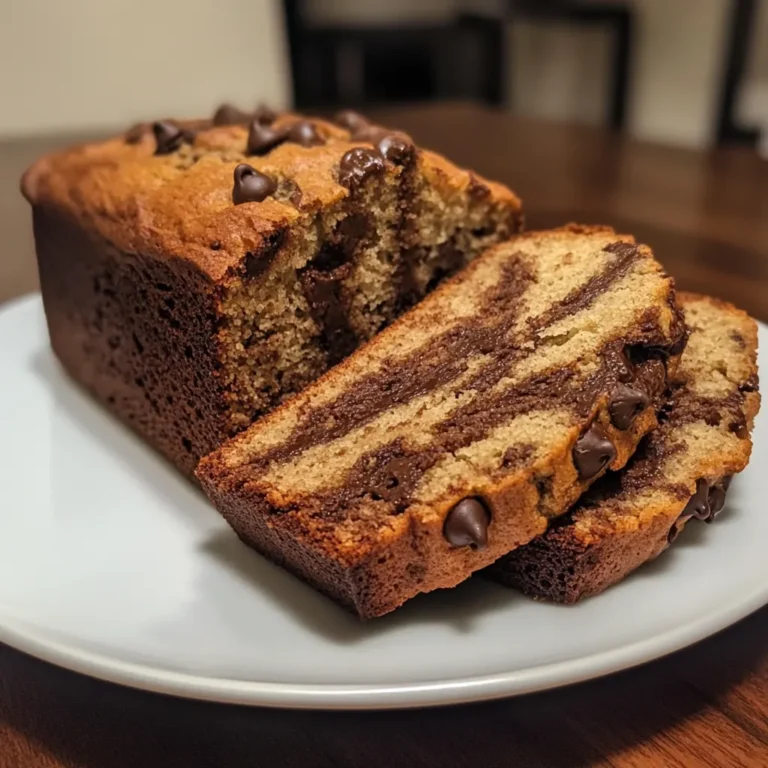
High Protein Pumpkin Muffins Without Protein Powder
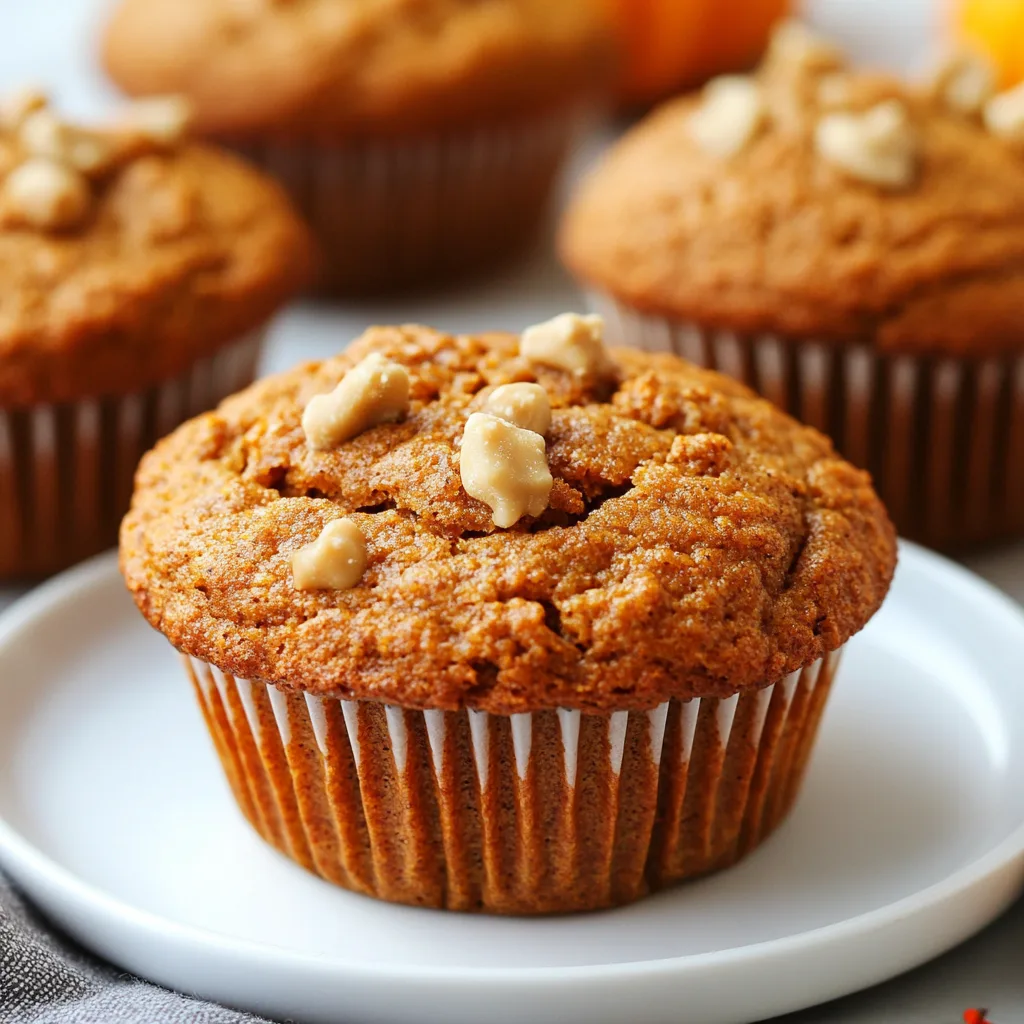
Introduction
If you’ve ever tried to bake muffins that actually feel satisfying and high in protein, you know the challenge: so many recipes rely on protein powder, and the texture or flavour just doesn’t hit right. That’s why I developed this high protein pumpkin muffins without protein powder recipe that uses whole-food ingredients to deliver flavour, nutrition and comfort.
Here we’ll explore how the keyword goal of “high protein pumpkin muffins without protein powder” becomes entirely achievable—so you can enjoy that pumpkin-spiced muffin with muscle-friendly benefit and no chalky aftertaste. Let’s get baking and hit that protein target together!

High Protein Pumpkin Muffins Without Protein Powder
Ingredients
Equipment
Method
- Preheat the oven to 350°F and line a muffin tray with parchment liners.
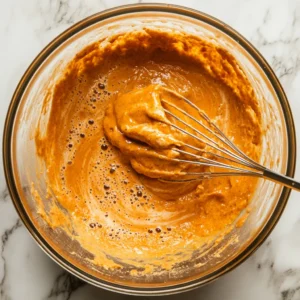
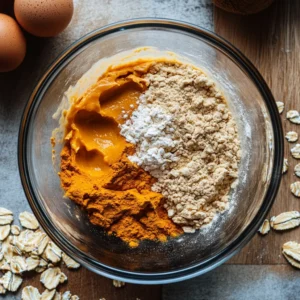
- Whisk pumpkin, eggs, egg whites, yogurt, almond butter, sweetener, and vanilla in a large mixing bowl.

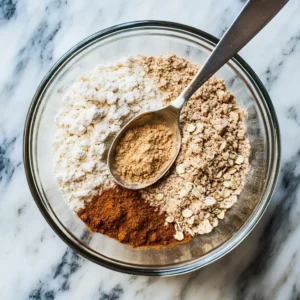
- In a separate bowl, stir together almond flour, oat flour, baking soda, baking powder, spices, and salt.
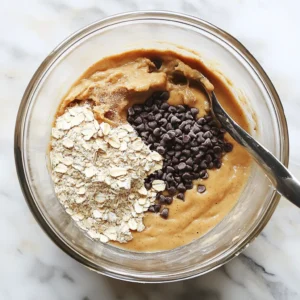
- Add hemp seeds, chocolate chips, or nuts if using.
- Scoop the batter into the muffin cups, filling each about ¾ full.
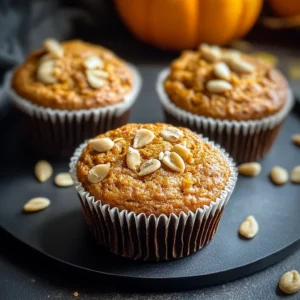
- Bake for 18–22 minutes, or until the tops are set and a toothpick comes out clean.
- Let the muffins cool in the pan for 5 minutes, then transfer them to a rack.
- Serve warm or store for meal prep.

Nutrition
Notes
Tried this recipe?
Let us know how it was!Why Choose High Protein Pumpkin Muffins Without Protein Powder
The case for whole-food protein in baking
When you bake with whole-food protein sources you avoid the common pitfalls of relying on protein powders—such as gritty texture, added sweeteners or flavour masking. Instead you lean into eggs, Greek yogurt, nut butters or cottage cheese as the protein base. For example, one healthy muffin recipe uses Greek yogurt, eggs and nut butter to reach around 9 g of protein each — all without protein powder.
Also, whole-food proteins often bring extra nutrients — vitamins, minerals, healthy fats — so your bake isn’t just about protein, but a more complete snack or breakfast. Therefore choosing to bake high protein pumpkin muffins without protein powder supports a cleaner ingredient list and can improve flavour and texture overall.
How pumpkin adds nutrition and flavour
In addition to the protein strategy, pumpkin puree brings a naturally moist texture, rich colour and warming flavour that pairs beautifully with spices like cinnamon and nutmeg. Pumpkin also adds fibre, vitamin A and a subtle sweetness that lets you reduce added sugars. For instance, one recipe calls for pure pumpkin and shows how it enhances moisture in muffins baked with almond flour.
Since we’re focusing on high protein pumpkin muffins without protein powder, pumpkin plays a dual role: flavour and functional moisture. Meanwhile the flavour profile gives you that classic “fall muffin” feel, which is also part of the appeal. By combining pumpkin with high-protein additions, you get a treat that’s both comforting and nutritionally intelligent.
If you like baked grab-and-go options, you may also enjoy these high protein breakfast cookies.
Ingredients & Flour Choices for High Protein Pumpkin Muffins Without Protein Powder
Best Flour Options for Texture & Nutrition
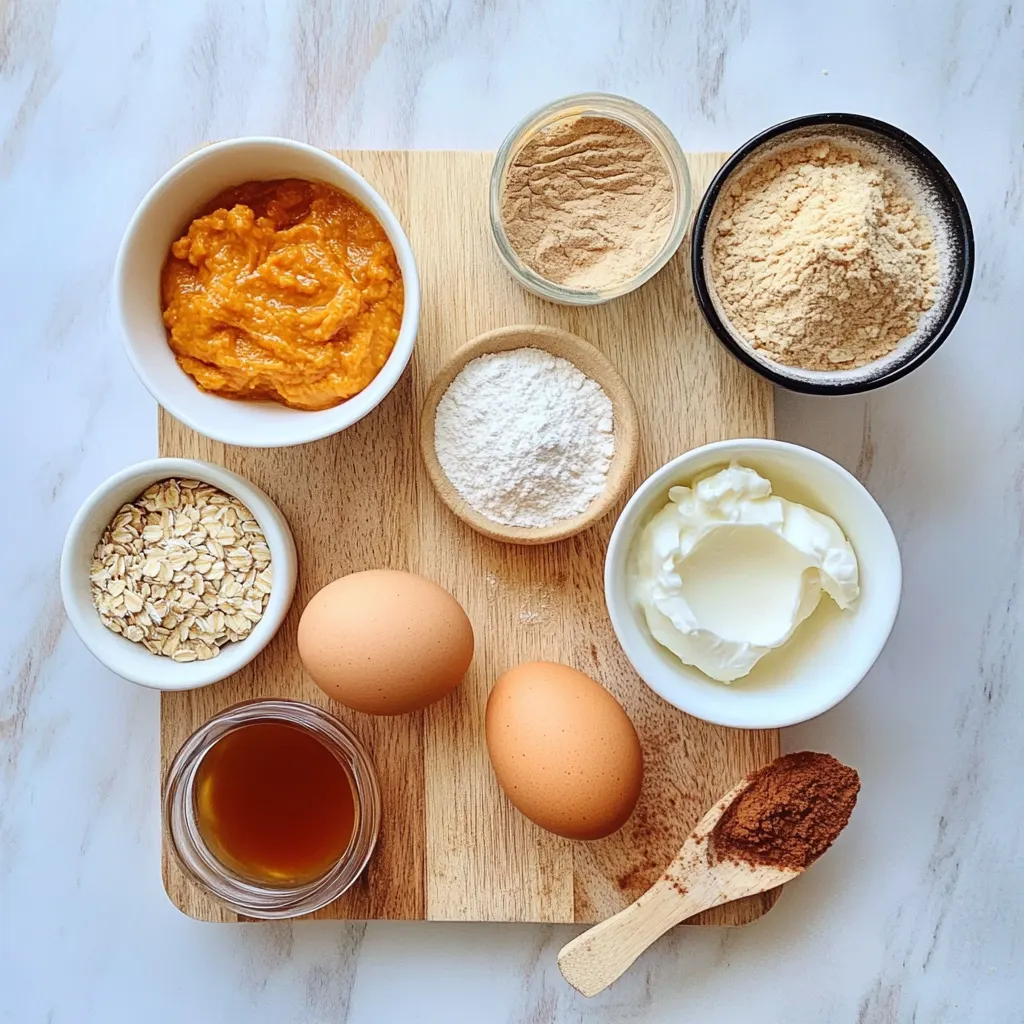
Choosing the right flour makes a big difference when you’re baking high protein pumpkin muffins without protein powder. Because you’re skipping the structural boost that protein powder often provides, you need flours that support lift, tenderness, and nutrition. Almond flour is a great choice because it brings healthy fats, a soft crumb, and naturally higher protein than wheat flour. It also keeps the muffins moist, which works beautifully with pumpkin puree.
However, if you want a lighter texture, whole wheat pastry flour or white whole wheat flour also work well. They still contribute fibre and nutrients, but they won’t make the muffins dense. You can even combine a whole-grain flour with oat flour for extra flavour and a bit more protein. Oat flour adds heartiness and mild sweetness while balancing out the richness from ingredients like yogurt or nut butter.
As you experiment, remember that pumpkin adds moisture, so you don’t need a heavy flour blend. Therefore, sticking with one or two flours helps the muffins rise evenly and stay tender. Keeping the flour list simple also ensures consistent results for busy mornings or meal prep.
High-Protein Add-Ins That Replace Protein Powder
To build naturally high protein without protein powder, you’ll rely on whole-food ingredients that mix seamlessly into the batter. Greek yogurt is one of the easiest ways to lift protein while adding creaminess. Cottage cheese is another powerhouse; blended or mashed lightly, it disappears into the muffins and helps them stay moist.
Eggs add structure and additional protein, and you can increase the total by using one full egg plus extra egg whites. Nut butters—such as almond or peanut—add both flavour and protein, while also making the muffins more satisfying. Seeds can help too. Ground flaxseed or hemp seeds increase protein and deliver healthy fats without changing the flavour.
Altogether, these add-ins help you achieve the same protein goal you’d expect from traditional “fitness muffins,” but you keep everything whole-food-based. Meanwhile, the pumpkin ties everything together for a smooth, warm, balanced batter that bakes beautifully every time.
Step-by-Step Baking Process for High Protein Pumpkin Muffins Without Protein Powder
Preparing the Wet and Dry Ingredients
When you’re making high protein pumpkin muffins without protein powder, the mixing order matters because whole-food protein ingredients behave differently from protein powder. First, whisk your wet ingredients in a large bowl: pumpkin puree, Greek yogurt or cottage cheese, eggs, a splash of vanilla, and your sweetener of choice. This step helps everything blend smoothly, and it sets the foundation for that soft, moist texture pumpkin muffins are known for.
Then, in a separate bowl, combine your dry ingredients. Use your chosen flour, baking soda, baking powder, cinnamon, and any extra spices you love. Keeping the dry ingredients together ensures even distribution so your muffins rise consistently. Also, mixing dry and wet ingredients separately prevents pockets of flour or baking soda from clumping in the batter.
Once both bowls are ready, gently fold the dry mixture into the wet mixture. Avoid overmixing because it can make the muffins dense. You want just enough stirring to bring the batter together while keeping it fluffy. At this stage, you can add seeds, small nuts, or chocolate chips for extra texture and flavour.
Baking Techniques & Common Mistakes to Avoid
Before filling your muffin tin, preheat your oven so the muffins start baking immediately and rise well. Line your tin with parchment liners or lightly grease the cups. Then scoop the batter evenly, filling each cup about three-quarters full. This helps the muffins bake into round, domed tops instead of overspreading.
Next, bake the muffins until the tops are set and a toothpick comes out clean. Because these high protein pumpkin muffins without protein powder rely on moist ingredients, they often need a few extra minutes compared to standard muffins. However, avoid overbaking since the muffins can dry out quickly.
Finally, cool the muffins in the tin for a few minutes before moving them to a rack. This rest time helps them finish setting without sinking. With these simple steps, you get tender, flavourful muffins that stay high-protein, soft, and satisfying every time.
Serving, Storage, and Variations for High Protein Pumpkin Muffins Without Protein Powder
How to Serve and Store for Freshness and Protein Goals
Once your high protein pumpkin muffins without protein powder cool fully, you can enjoy them warm, chilled, or even reheated. They work well as a quick breakfast because they contain whole-food protein sources that keep you full. Also, you can pair a muffin with Greek yogurt or a handful of nuts to boost the protein even more.
For storage, keep the muffins in an airtight container on the counter for up to two days. Because pumpkin adds moisture, they stay soft, but they can become too moist if left uncovered. If you need them to last longer, move them to the fridge for up to five days. They hold their texture well, especially when your recipe uses whole-food protein like yogurt or cottage cheese.
If you meal prep, freeze them. Wrap each muffin tightly and store them in a freezer-safe bag. When you need a fast high-protein snack, reheat a muffin in the microwave for 20–30 seconds. It warms beautifully, and the pumpkin flavour becomes even richer. This makes the muffins a reliable choice for busy weeks.
Creative Variations (Vegan, Nut-Free, Extra Protein)
Although the core of this recipe highlights high protein pumpkin muffins without protein powder, you can adapt the base to match your needs. For a vegan option, use dairy-free yogurt and swap the eggs for flax “eggs.” Because pumpkin already adds structure, this variation stays surprisingly tender.
For a nut-free version, use seed butter instead of almond or peanut butter. Sunflower butter or pumpkin seed butter blends smoothly and still adds natural protein.
If you want even more protein without adding powder, try adding blended cottage cheese to the batter or increasing the egg whites. Also, you can mix in hemp seeds, which add protein while keeping the flavour neutral.
Finally, if you’d like a sweeter version, add dark chocolate chips or a maple drizzle. Meanwhile, a blend of warm spices—like cinnamon, ginger, and clove—helps deepen the pumpkin flavour. These small modifications keep the muffins fun, seasonal, and customisable.
This recipe fits perfectly into our collection of easy and quick high protein breakfast ideas, especially for meal prep.
FAQs For High Protein Pumpkin Muffins Without Protein Powder
What can I use instead of protein powder in muffins?
You can use whole-food protein sources such as Greek yogurt, cottage cheese, eggs, egg whites, nut butter, and seeds. These ingredients blend smoothly into the batter, add moisture, and naturally improve the protein content without needing protein powder.
How to get 30g of protein without protein powder?
You can reach 30g by combining multiple whole-food protein sources. For example, pair two high protein pumpkin muffins without protein powder with Greek yogurt, cottage cheese, or a small serving of nuts. Also, meals that include eggs, lean meats, beans, or dairy can help you meet that target easily.
What’s the best flour for pumpkin muffins?
Almond flour works well because it adds richness and higher natural protein. However, whole wheat pastry flour and oat flour also create a tender texture. Using a simple blend keeps the muffins moist and helps the pumpkin flavour shine.
Are pumpkin muffins healthy?
Yes, pumpkin muffins can be healthy when you use whole-food ingredients, moderate sweeteners, and nutrient-rich add-ins. Pumpkin adds fibre, vitamins, and moisture, which helps reduce the need for extra fat. When paired with natural protein sources, these muffins become a balanced snack or breakfast.
Conclusion
Making high protein pumpkin muffins without protein powder is a smart way to enjoy a seasonal treat that still supports your nutrition goals. These muffins stay moist, flavourful, and satisfying because they rely on whole-food protein sources instead of processed powders. Also, they’re simple enough for meal prep and flexible enough for busy weeks. If you’re ready to bake a protein-friendly recipe that feels cozy and approachable, try the Recidish.com recipe below and enjoy a warm, nourishing muffin anytime.